Boarding pass ready, camera charged and plenty of space on your memory card. You’re all set to capture the food, landmarks, people and culture you encounter on your travels.
But even with plenty of enthusiasm, getting the shot you had in mind isn’t always as easy as it looks. Photography is a skill and, like any skill, a little technique and practice can make a big difference.
With that in mind, we’ve teamed up with Dublin Photography School to share some practical travel photography tips that can help you take better holiday photos, whatever your level or the camera you use.
Get to know your camera
Photography takes practice, and one of the easiest ways to improve is simply to get comfortable with your camera and its settings before you travel.
Take it with you on a walk or pop it into your bag for the day and challenge yourself to take a few photographs. They don't need to be masterpieces. The point is to get used to the controls so that when something catches your eye on holiday, you can concentrate on the shot rather than figuring out which button does what.
Think about Composition
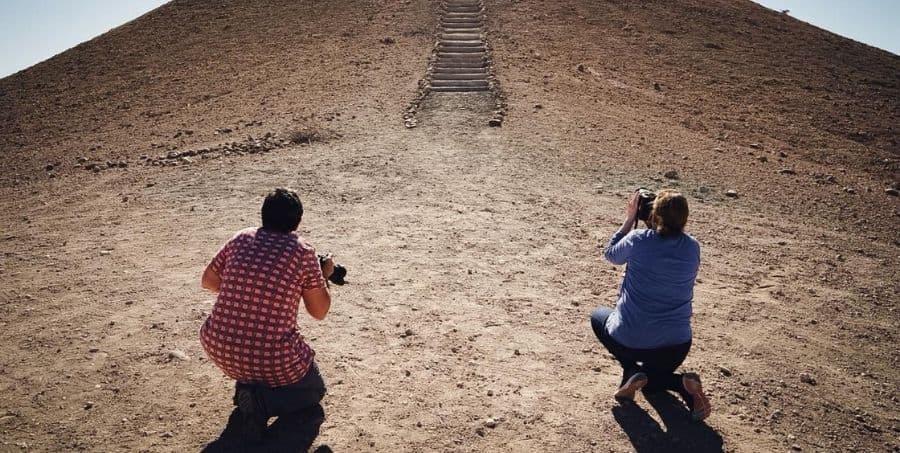
How you frame a photograph and what you choose to leave in or out is known as composition, and it can make a big difference to the finished image.
One of the simplest techniques to try is the rule of thirds. Imagine your image divided into nine equal sections and position your main subject around the points where those lines intersect. Many cameras and smartphones can display a grid to make this even easier.
Once you get used to thinking about composition, you can start experimenting and finding what works for you.
Look for Photography Inspiration
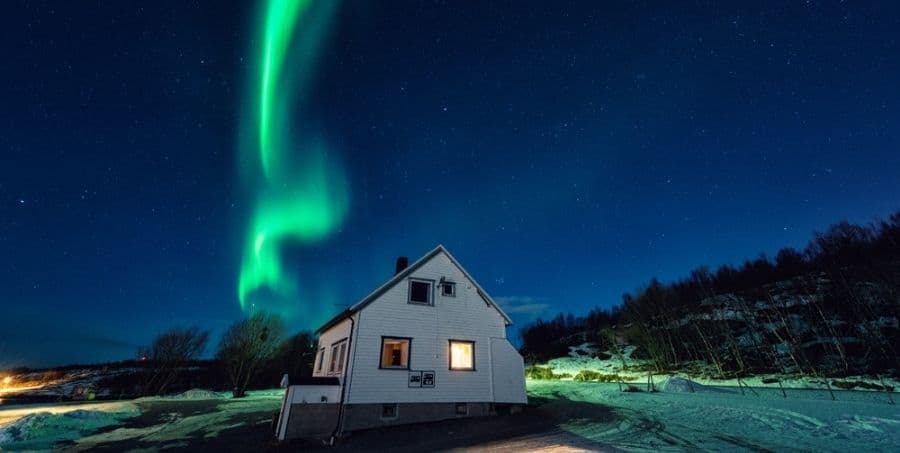
Composition comes naturally to some people, while others need a little inspiration. Either way, there’s nothing wrong with seeing how other photographers have approached a destination.
Look at photographs of the places you’ll be visiting and pay attention to different viewpoints, framing and perspectives. Use them as inspiration, then see how you can put your own spin on the shot when you get there.

Learn a Few Camera Basis
You don’t need to become a photography expert before your next trip, but understanding a few basic settings can help.
Learning about white balance, which affects how colours appear in your photographs, and shutter speed, which helps you control how movement is captured, is a useful place to start.
Understand Your ISO
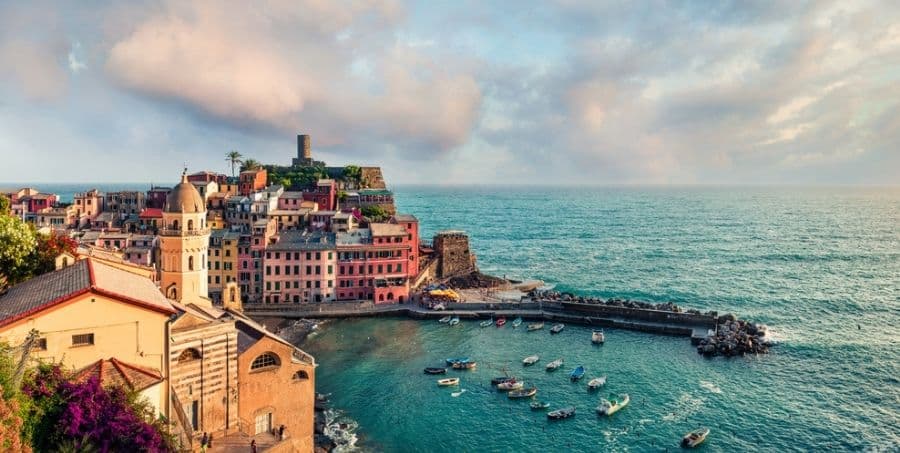
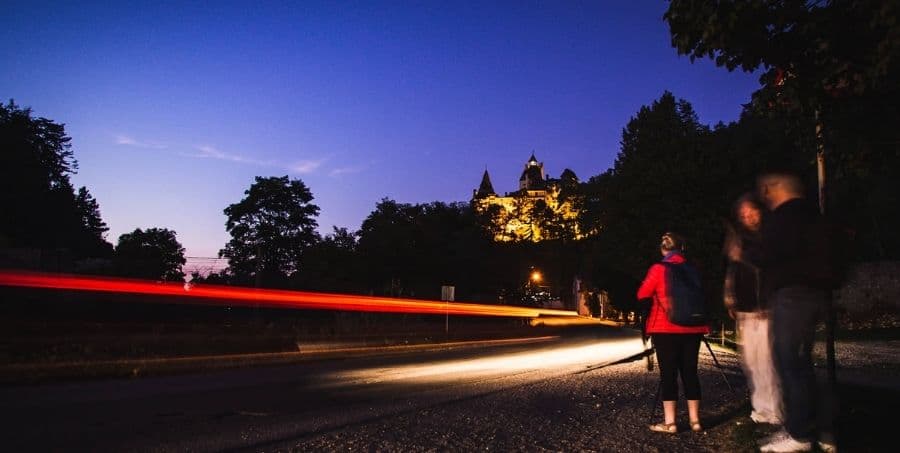
Taking sharp photographs in low light can be tricky. Increasing your camera’s ISO makes it more sensitive to light, which can help when shooting indoors, around dusk or at night.
The trade-off is that a higher ISO can introduce more noise or grain into your image. Once you’re back outside in brighter conditions, remember to lower the ISO again.
Rough ISO Guide:
- Outdoors during the day: 100/200/400 ISO
- Indoors during the day: 400/800/1600 ISO
- Dusk or Night Photography: 1600/3200/6400 ISO
Photograph the People You Meet
Landscapes and landmarks might be high on your photography list, but people can often tell you much more about a destination.
Look for everyday moments, local traditions and scenes that capture something about life in the place you’re visiting. Always be respectful and ask permission when photographing someone up close.

Capture Local Colours and Traditions
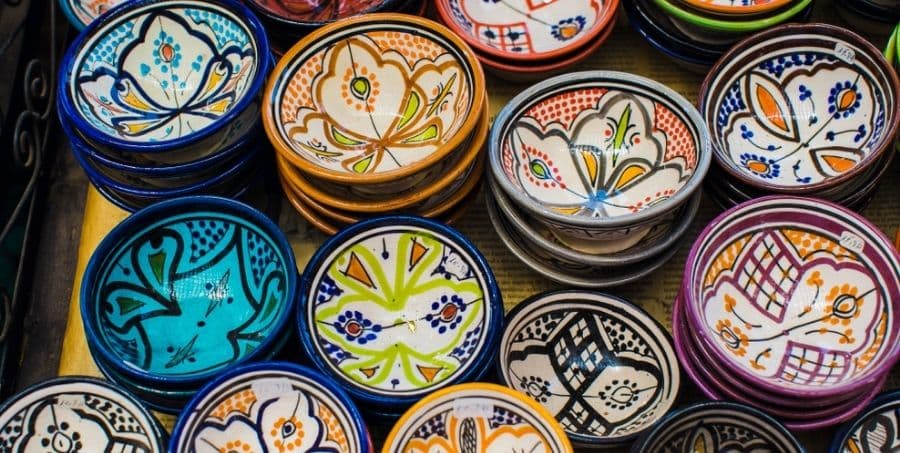
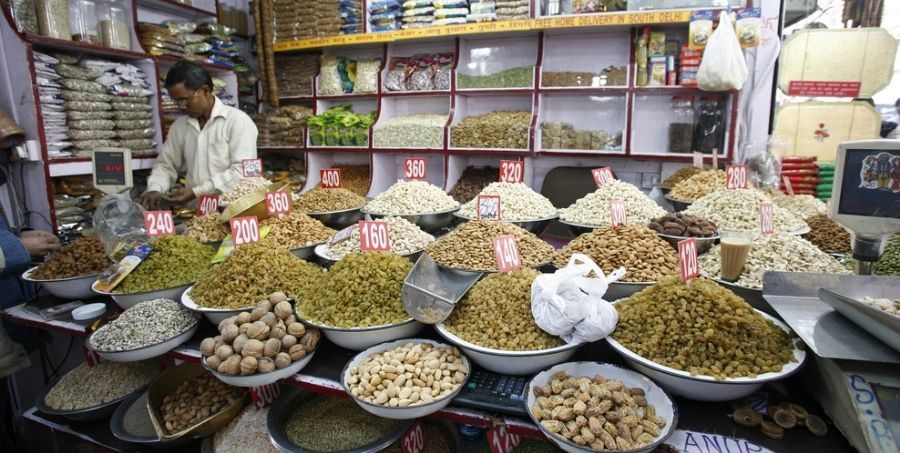
Think about what makes the destination you’re visiting distinctive. It could be colourful architecture, traditional clothing, a local celebration, street art or the details you spot while wandering through a market.
Keep an eye out for colour too. From food and textiles to buildings and landscapes, it can completely change the feel of a photograph.
Don't Forget the Food
Local food can tell its own story about a destination. Photograph dishes, restaurants, markets, fruit stalls and the places where locals eat.
You don’t need to carry your camera everywhere either. Your smartphone can be ideal for capturing those spontaneous moments when something catches your eye.
Look Out for Arts and Crafts
Markets, workshops and streets can be great places to photograph local craftspeople, musicians, artists and performers at work.
If you want to take a close-up photograph of someone, ask first. A quick conversation can make the interaction, and often the photograph, much better.
Put These Travel Photography Tips Into Practice
The best way to improve your travel photography is to keep taking photos. Try different angles, pay attention to the light and don’t worry if every shot doesn't turn out exactly as planned. Sometimes the photographs you weren't expecting to take are the ones you end up keeping.
These travel photography tips have been brought to you in partnership with Stewart Kenny, a Course Trainer and Photography Guide at Dublin Photography School.